
by Jennifer Kohlhepp | CM Magazine Featured
Leveraging Metal Cards to Attract High-Value Customers
By Jesper Domargård, Marketing Director, CompoSecure
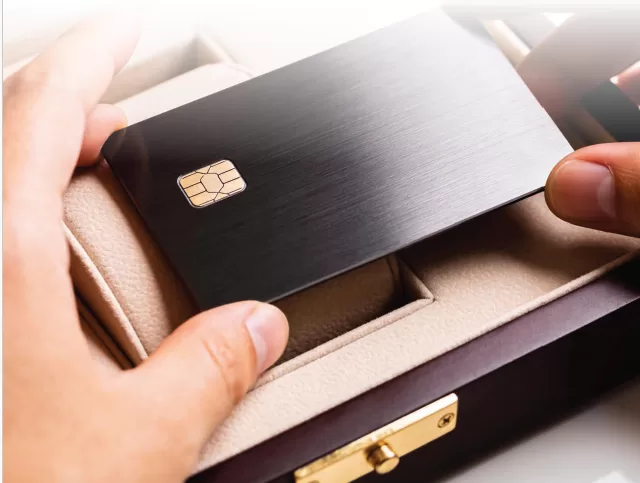
Recent research from CompoSecure and Capuchin Behavioural Science shows that issuing metal cards is an incredibly efficient way for banks and fintechs to acquire high-value customers, to encourage them to spend using the card (making it top of wallet) and to retain them. Today, metal cards are more popular and more in demand than ever among consumers worldwide. People are captivated by the aesthetics of these cards, the way they feel, their weight and the distinctive sound they make.
Leveraging Metal Cards to Reinforce the Brand Among Broader Customer Segments
While metal cards were not originally aimed at wider customer groups, their issuance created a positive brand perception across broader customer segments. In today’s banking landscape, where new players continue to emerge, leading to the disintermediation and unbundling of financial services, the way a bank is perceived is arguably more important than ever. There are many ways to enhance this perception, and this research shows that one highly effective measure is including metal cards in the bank’s or fintech’s offerings.
Segmenting the Customer Base to Optimize the Uptake of Metal Cards
The research highlights specific customer segments that are particularly likely to embrace metal cards:
- Elites have considerable financial wealth, a higher social status and refined interests such as social causes. They tend to prefer traditional banks.
- Innovators are both Gen Z and Millennial customers who are drawn to lifestyle, technology, new trends and innovation. They typically lean toward fintech providers.
- Up and Coming are young, well-educated individuals (primarily Gen Z) who have already achieved significant professional success and are status conscious. Sometimes referred to as HENRYs (High Earners, Not Rich Yet).
Immersing the Senses: The Sensory Power of Metal Cards
Compared to standard plastic cards, metal cards stand out by engaging three of our senses:
- They look different– sight
- They feel different – touch
- They sound different– hearing
Interestingly, the Elite, Innovator and Up and Coming segments place significantly more value on these sensory attributes than the general population.
Positioning the Metal Card to Maximize Its Impact
Compared to the general population, the aforementioned segments tend to value metal cards as “accessories.” They see the cards as symbols that communicate their values, lifestyle, identity and status. Using a metal card becomes a form of self-expression. Interestingly, these segments prioritize experiences and emotional connections over mere functionality. It’s also important to note that these groups prefer the exclusivity of metal cards within their select group, reinforcing the successful strategy many issuers have used: offering metal cards (only) to carefully selected segments and/or pricing them with a (significant) premium compared to standard plastic cards.
Using the Right Cues When Communicating About Metal Cards
To truly captivate the Elite, Innovator and Up and Coming segments, issuers of metal cards should carefully consider the cues used in their communication. It’s important to create the impression that these cards are scarce, rare, premium and unique. This will reinforce the FOMO (fear of missing out) effect and strengthen the sense of exclusivity. It’s also crucial to emphasize that metal cards are rare for a reason: they are (hand)crafted through long and complex processes that require expert skills, advanced technology and specialized equipment, using rare materials.
Summary
This research highlights how today metal cards are more popular and more in demand than ever they have been. Consumers around the world are captivated by the aesthetics of these cards, the way they feel, their weight and the distinctive sound they make. Banks and fintechs can leverage metal cards not only to improve acquisition, spending and retention among selected segments, but also to enhance the overall brand perception among all customer segments.
About the Author: Jesper Domargård, marketing director at CompoSecure, possesses a diverse and extensive background in various sectors of the payments industry, having previously held positions at Visa, Worldline and IDEMIA before his tenure at CompoSecure. He’s widely recognized for his analysis and comments on the payments field, with several of his articles featured on various platforms. Jesper holds an MSc in business administration from the University of Linköping, Sweden.