
by Jennifer Kohlhepp | CM Magazine Cover Story
Metal Cards Move Beyond the Premium Tier
By Jennifer Kohlhepp, Managing Editor, ICMA
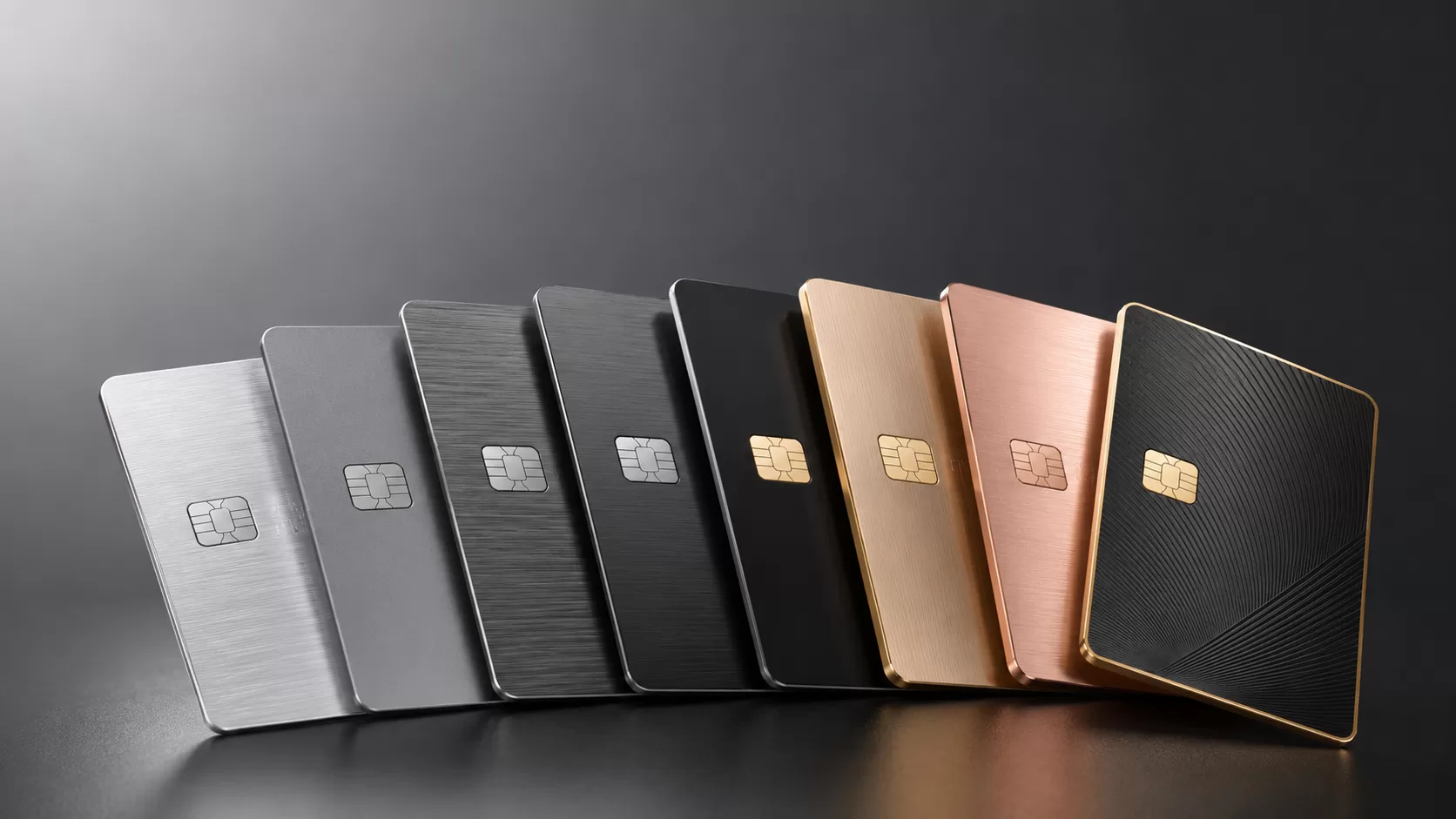
Metal cards have long carried an unmistakable message. They signal premium status, exclusive access and a high-value customer relationship. Traditionally reserved for elite banking products and affluent cardholders willing to pay significant annual fees, metal cards have occupied a narrow but powerful space in the payments market.
That space is now expanding.
At the 2026 ICMA EXPO, ICMA member Daniel Calio, NORAM Sales at IDEMIA Secure Transactions, explored this evolution in his presentation, “Metal for All.” His message to the global card industry was clear: metal cards are no longer defined by exclusivity alone. They are becoming a scalable growth opportunity, driven by changing consumer expectations and the growing importance of personalization.
“Traditionally, metal cards have been seen as a symbol of exclusivity, reserved for a very small segment of high-value customers, usually willing to pay a very high annual fee,” Calio said. “But that perception is changing. What we are seeing today is a clear shift from metal as a niche product to metal as a scalable growth opportunity.”
That shift reflects a broader change in how consumers view their payment cards. Cards are no longer seen only as functional financial tools. Increasingly, they serve as lifestyle accessories, brand touchpoints and expressions of personal identity. Consumers want products that feel distinctive, relevant and aligned with how they see themselves.
Calio framed the discussion around three areas: the shift, the drivers and the opportunity. The shift is metal’s move from an elite product to one with broader market appeal. The drivers are the different motivations behind consumer demand. The opportunity is personalization, which can help issuers scale metal card programs by matching the right card experience to the right customer.
According to Calio, demand for metal cards is not coming from one audience with one set of expectations.
“Metal is scaling, but the key question is: what’s actually driving this demand?” he said. “Demand is not coming from one type of customer. In fact, 83% of consumers express interest in metal cards, but for very different reasons.”
To better understand those differences, Calio shared a consumer persona matrix developed through an analysis of consumer research, market insights and behavioral data. The analysis identified six distinct consumer personas, ranging from emerging aspirants to prestige elite customers.
“We conducted an in-depth analysis combining consumer research, market insights and behavioral data and identified six distinct consumer personas, spanning from emerging aspirants to prestige elite customers,” Calio said. “We evaluated customers across multiple dimensions, such as technology adoption, financial awareness, aspiration for prestige and value for brand association.”
The result is a more nuanced view of metal card demand. Some consumers may be drawn to differentiation and design. Others may value reliability, status, travel benefits, financial progress or a stronger association with a trusted brand. For issuers, the question is no longer whether metal can communicate premium value. The question is what kind of value matters most to each audience.
This has important implications for card program design. Rather than treating metal as a single high-end product, issuers can take a portfolio approach that uses different materials, benefits, design elements and service models to reach different customer groups.
A rising affluent consumer may view a metal card as a symbol of progress. An urban trendsetter may respond more strongly to aesthetics and brand identity. A frequent traveler may be drawn to status, durability and travel-related benefits. A pragmatic affluent consumer may need a clear connection between the card’s cost and its everyday value.
“Metal card demand is diverse, different personas, different expectations,” Calio said. “But this creates a challenge and an opportunity. Because if expectations are different, a one-size-fits-all approach simply does not work. This is where personalization becomes critical. It is no longer about offering a premium product. It is about offering a relevant experience.”
That relevance is becoming increasingly important as consumers expect more tailored interactions from the brands they choose. Calio’s presentation cited research showing that 82% of customers believe it is important for brands to provide personalized services or customized offers.
“Personalization is not optional anymore,” Calio said. “As metal card demand spans multiple segments, each with very different needs, lifestyles and expectations, the goal is clear: design the right metal program for the right customer. When this alignment is right, the impact is tangible, stronger activation, higher usage and increased loyalty.”
For the card industry, this creates an opportunity to rethink how metal card programs are developed, positioned and delivered. Personalization may include tailored rewards, travel benefits, lifestyle perks, visual design options, program tiers or customer experiences that reflect the needs of specific segments. It may also require closer collaboration among issuers, card manufacturers, personalization bureaus and technology partners to ensure that the physical card product and the broader program strategy work together.
For manufacturers and personalization partners, the growth of metal cards at scale brings both opportunity and complexity. As issuers expand metal beyond the traditional premium tier, they will need partners that can support differentiated designs, efficient production, secure personalization and flexible program execution. The ability to deliver quality, consistency and customization will become increasingly important as metal card programs become more segmented.
Calio emphasized that scaling metal cards begins with customer understanding.
“Scaling metal cards starts with a simple idea,” he said. “It starts with understanding your customers, their needs, their lifestyles and what value really means to them. The focus should be on designing offers around personas. Because in the end, the future of metal is not just premium; it is personal.”
As metal continues to move from niche to scale, the opportunity for the global card industry is not simply to produce more metal cards. It is to create more meaningful card experiences. By aligning materials, design, benefits and personalization strategies with distinct customer expectations, issuers can use metal cards to deepen engagement, strengthen loyalty and deliver products that feel both valuable and relevant.
The takeaway from Calio’s session was clear: metal’s next phase of growth will not be defined by exclusivity alone. It will be defined by how well the industry understands the people carrying the cards.