by Jennifer Kohlhepp | CM Magazine Cover Story
Cards, Fintech and Fashion Converge in New York City

By Jennifer Kohlhepp, Managing Editor, ICMA
A chance discovery in SoHo helped create the setting for an unexpected exchange of ideas about design, technology and the future of the consumer experience.
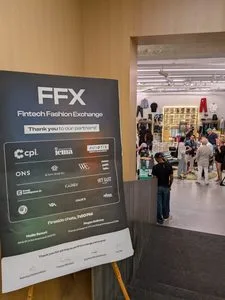
While walking through the neighborhood, Fintech Fashion Exchange (FFX) co-organizer Yin Mei noticed ONS Clothing, a multiroom concept shop on Mulberry Street featuring more than 50 independent international brands. A conversation with the ONS team revealed that the space was ideally suited for an event the organizers were developing to bring leaders from the fintech and fashion industries together.
That vision became the inaugural Fintech Fashion Exchange, held September 8 during New York Fashion Week and immediately before FinovateFall. Organized by Tracey Windsor, Kseniya Zaslavskaya, Sophie Abrahamsson and Mei, the invitation-only gathering explored the growing connections between financial technology and modern commerce.
The timing was intentional. Each September, New York City welcomes professionals shaping the future of fintech and fashion through two major industry events. Although both communities focus on consumers and innovation, their leaders rarely have opportunities to exchange ideas. “From the consumer’s perspective, these industries are already deeply connected,” Windsor said. “How we discover, choose, purchase, finance and experience products is becoming one increasingly integrated journey.” Fintech Fashion Exchange was created to close that gap and encourage conversations about how people will discover, purchase and experience products in the years ahead.
The International Card Manufacturers Association (ICMA) served as a sponsor, bringing the global card industry into the discussion. ICMA members CPI Card Group and VZUAL 3D also contributed perspectives from the card design and technology communities. VZUAL 3D transforms product design into immersive 3D experiences through digital prototyping, providing another example of how emerging tools can help companies visualize, refine and present products before physical production.
Design as a Form of Identity
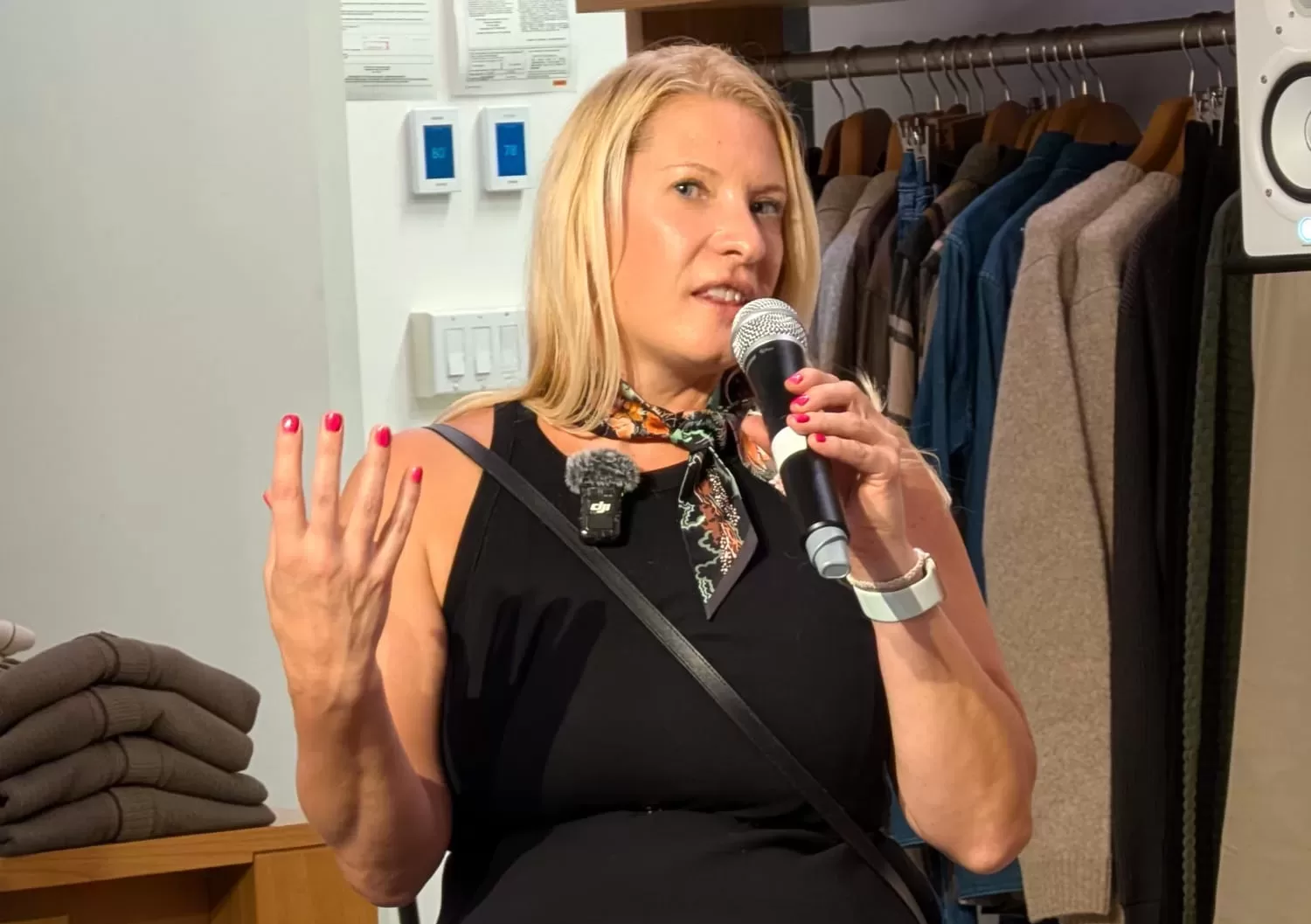
A fireside chat moderated by Windsor featured Megan Anthony, ACE-M, ACE-P, ICMA president and director of pre-sales and design at CPI Card Group; Mollie Benoni of AU10TIX, who offered a fintech and identity-verification perspective; and Abrahamsson, who shared insights from the fashion, retail and technology industries.
Their conversation examined how these sectors are being shaped by consumers’ growing desire for products and services that are engaging, personal, convenient and trustworthy.
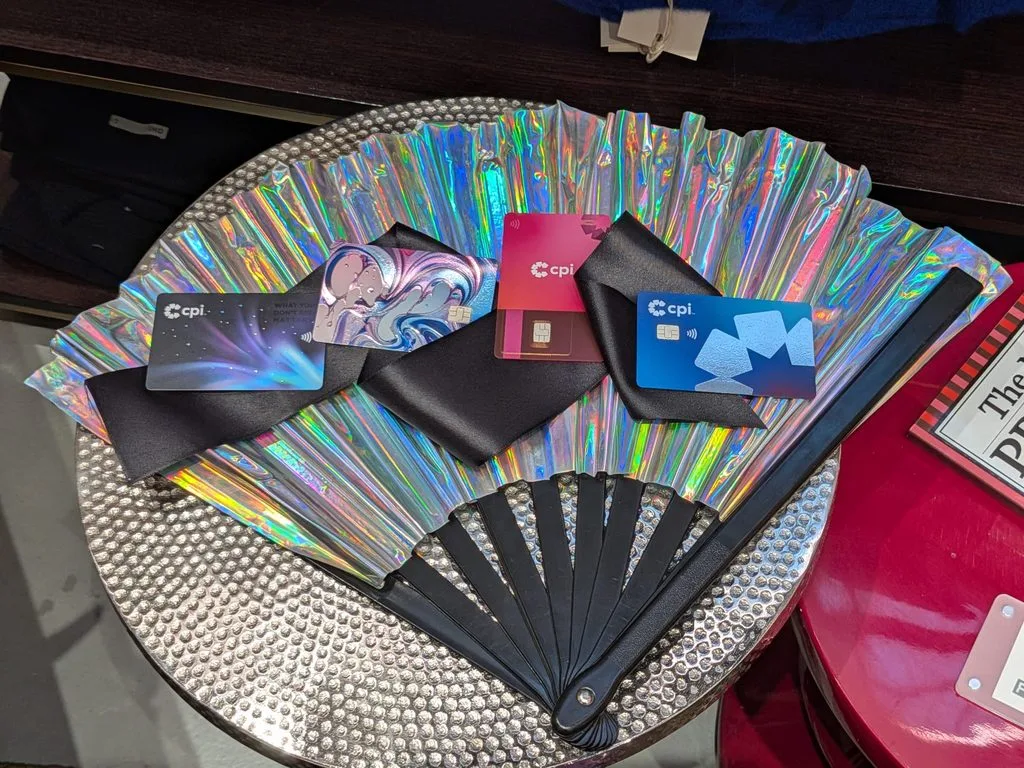
For Anthony, the relationship between cards and fashion begins with design. Her interest in cards can be traced to childhood, when she collected holographic elements from expired cards and developed an appreciation for sparkle, color and visual detail. Influenced by an artistic background that included painting and airbrushing, she eventually discovered an industry that allowed her to combine creativity with technical problem-solving.
More than 20 years later, Anthony remains fascinated by the way materials, printing techniques and decorative elements can be transformed into a functional product that also expresses something about the person carrying it.
A payment or identification card must perform a specific job, but it can also become an extension of the cardholder’s identity. Color, texture, weight, imagery and finishing techniques can turn an everyday object into a personal and emotional touchpoint.
That relationship is familiar to the fashion industry, where materials and design choices help people communicate who they are. In both sectors, the finished product may appear simple, but it is supported by extensive craftsmanship, experimentation and attention to detail.
Victoria Plekhanova of Rosan Diamond reinforced that connection by showcasing some of the company’s latest payment card designs. Crafted with materials such as gold, precious stones and natural minerals, the cards demonstrated how artistry, technology and payment functionality can be integrated into a single product.
Creating an Experience Beyond the Card
Anthony explained that the cardholder experience extends beyond the physical card. The packaging in which it arrives, the enrollment and activation processes, and the consumer’s first interaction with the product all influence how the brand is perceived.
Anthony compared that experience with the emotional role fashion can play: “Think about what fashion represents to many people. It isn’t simply about a shirt, a handbag or a pair of shoes; it can be a form of self-expression and an experience. The retail environment, the packaging and even the unboxing can create a lasting memory.”
This presents an important opportunity for fintech companies, many of which begin without a tangible product connected to their brands. When a fintech introduces a physical card, it creates something customers can hold, carry and use. The card brings a digital brand into the physical world and provides a visible way to communicate its identity through design, materials and presentation.
She emphasized that personalization must be balanced with ease and trust: “Both industries understand the importance of authentication, brand expression and finding ways to enhance the customer experience. People want to feel unique and have personalized experiences, but at the same time, they are looking for seamless simplicity.”
Windsor identified another point of convergence: “The first opportunity is to bring the purchase and the transaction into the same conversation earlier in the experience-design process.” She explained that fintech typically focuses on the transaction while fashion retail focuses on the purchase and the experience surrounding it. Bringing those parallel efforts together could help card manufacturers, designers, fintechs and fashion brands create a more cohesive consumer journey.
For Anthony, the event demonstrated the practical value of that collaboration: “Collaboration is key to growth and innovation. After networking with the attendees at FFX, it was exciting to see the synergies that can come from bringing fashion brands, fintechs, designers, and manufacturers together to bring new products and experiences to life.”
Anthony noted that valuable ideas can come from people who are unfamiliar with the established rules of card manufacturing. An outside perspective may introduce a concept that initially appears difficult to produce, but it can also encourage designers and manufacturers to test new materials, challenge existing processes and expand what is possible.
Successful innovation, however, still depends on understanding the craft behind the product. In card manufacturing, details such as print order, ink placement, material compatibility and finishing processes can affect both appearance and performance. As in fashion, overlooking a seemingly small detail can compromise the finished product.
Making Trust Part of the Experience
While design can attract consumers and create emotional connections, trust makes those relationships sustainable.
Benoni discussed how identity-verification technology evaluates far more than the face shown in a photograph. It can also analyze the circumstances in which an image was captured, including lighting, shadows, backgrounds and recurring visual patterns, to identify potential manipulation or fraud.
That level of scrutiny is becoming increasingly important as artificial intelligence makes it easier to create deepfakes, alter faces and generate convincing fraudulent content. Identity-verification providers must continually test their technologies and anticipate emerging threats.
The implications extend beyond financial services. Fashion and retail companies operating through e-commerce platforms and global supply chains also need to understand who is purchasing, selling and supplying their products.
Authenticity is essential throughout the consumer journey. Customers want confidence that they are buying genuine merchandise from a trusted source, while brands need assurance that customers, vendors and business partners are who they claim to be. Effective identity technology can support that trust without introducing unnecessary friction into the purchasing process.
Consumers expect protection, but they also want interactions to remain seamless. The strongest solutions make security an integral part of the experience without allowing it to overwhelm the experience.
Learning Directly from Consumers
Abrahamsson encouraged technology professionals to spend time in retail environments and observe what customers and employees experience firsthand. Innovation cannot be developed solely in a conference room. It also requires watching how people browse, make decisions, complete purchases and respond when something goes wrong.
Those observations can reveal friction points that may not be apparent to teams developing payment, identity or retail technologies. A technically impressive product or service will have limited value if it does not solve a genuine problem or fit naturally into the consumer’s journey.
The fashion industry can offer valuable lessons in curation, storytelling and emotional connection. Fintech and card companies, in turn, can help fashion businesses create transactions that are more secure, convenient and personalized.
The industries may approach consumers from different directions, but their objectives increasingly overlap. Each must understand what people value, earn their trust and deliver experiences that feel relevant to their lives.
The setting for the conversation reinforced those themes. ONS began as a menswear brand in 2016 before expanding its concept from “One Nice Shirt” to “One Nice Shop.” Its New York City store brings clothing, accessories and lifestyle products together in an environment built around thoughtful design and discovery. “A lot of fintech and finance events live in expo halls and multipurpose rooms, or in private B2B meetings. Printouts, screens, demos. Fashion has spent decades building rooms people want to be in,” Windsor said.
Surrounded by collections from more than 50 independent international brands, attendees experienced a physical setting where artistry and commerce naturally intersected. The venue itself demonstrated how atmosphere and thoughtful curation can strengthen customer engagement. As Windsor observed, “The NYC Fintech Fashion Exchange launch itself was a proof of concept for creating a more fruitful environment for these ecosystems to meet.”
Fintech Fashion Exchange was built on the idea that unexpected conversations can lead to meaningful innovation. Instead of keeping fintech professionals at technology conferences and fashion leaders at industry-specific events, the gathering placed them in the same room and created space for new perspectives. “Ultimately, we hoped the most valuable thing to emerge would be relationships that wouldn’t have happened otherwise,” Windsor said.
For the card industry, the discussion offered an important reminder: a card is part of a much broader consumer experience. It connects digital services with physical interactions, security with self-expression and financial functionality with thoughtful design.
Anthony summarized the opportunity for the card industry: “There are strong parallels in the card and fintech industries. The experience begins when a consumer receives the card, continues when they use it, and is reinforced through their confidence in the brand, its authenticity and the security behind it. Card manufacturers have an opportunity to take those experiences even further by collaborating with fashion and fintech professionals to bring greater personalization, craftsmanship, storytelling and emotional connection to payments.”